Ductless Mini-Splits vs. Gas Furnaces: Which Heating System is Best for Washington Homes?
When it comes to keeping your home warm and comfortable during the damp, chilly winters of the Pacific Northwest, choosing the right heating system is essential. For homeowners in Seattle and the surrounding areas, one of the most common questions we hear at Ready Energy Solutions is: Which is better, a ductless mini-split or a gas furnace?
In this guide, we’ll break down the pros and cons of each system and help you decide which option makes the most sense for your home. If you’re researching “ductless mini-split vs. gas furnace in Washington,” this comparison will give you the clarity you need.
Understanding Washington’s Climate
Western Washington, particularly the Seattle area, has a moderate marine climate. Winters are cool and wet, but they rarely experience prolonged subfreezing temperatures. This climate plays a major role in determining which heating system performs most efficiently.
Because temperatures typically hover between the mid-30s and mid-50s during winter, homeowners often don’t need the intense, high-BTU output that colder regions require. That makes high-efficiency electric heat pump systems, like
ductless mini-splits, especially attractive.
What is a Ductless Mini-Split?
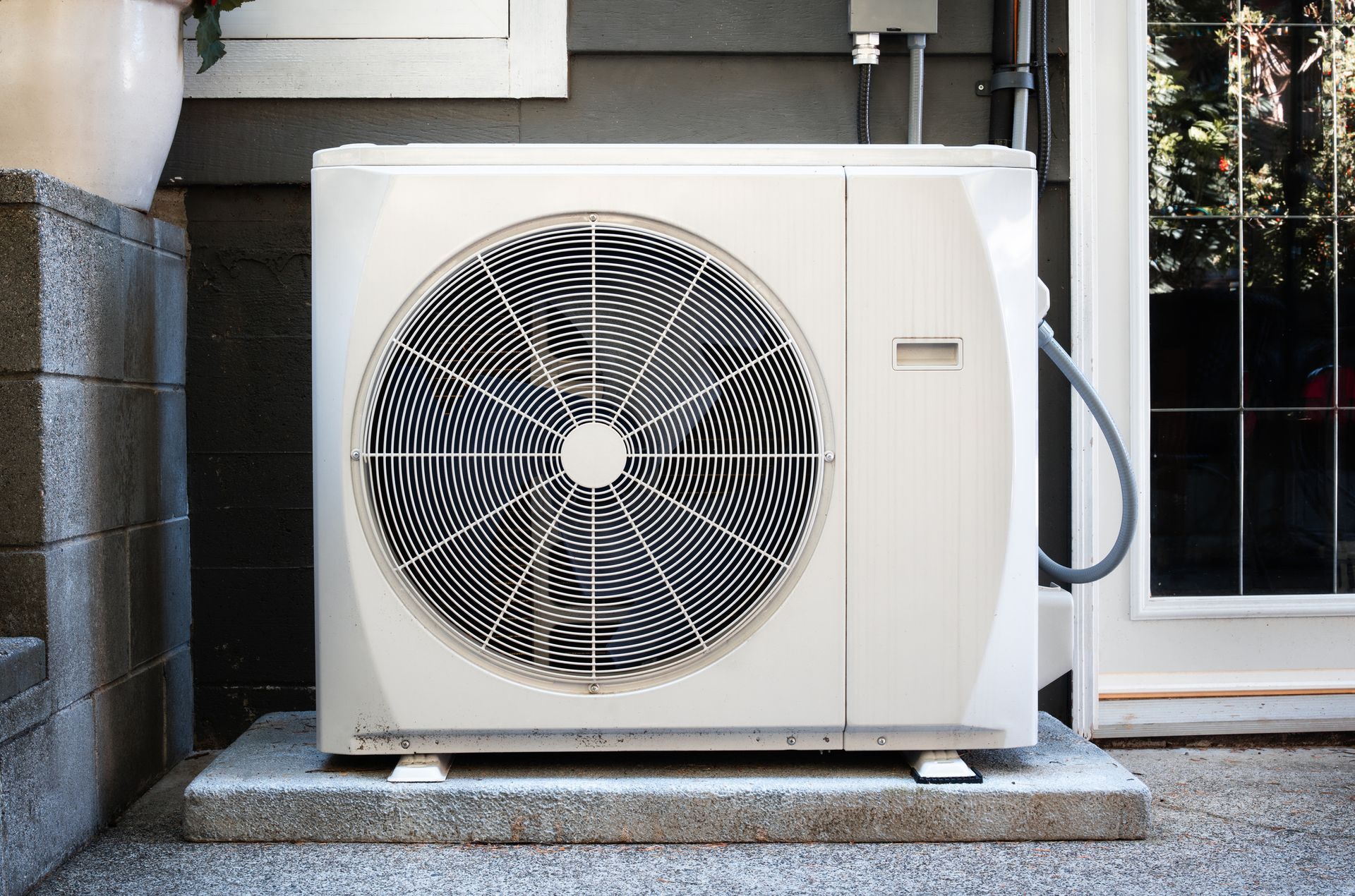
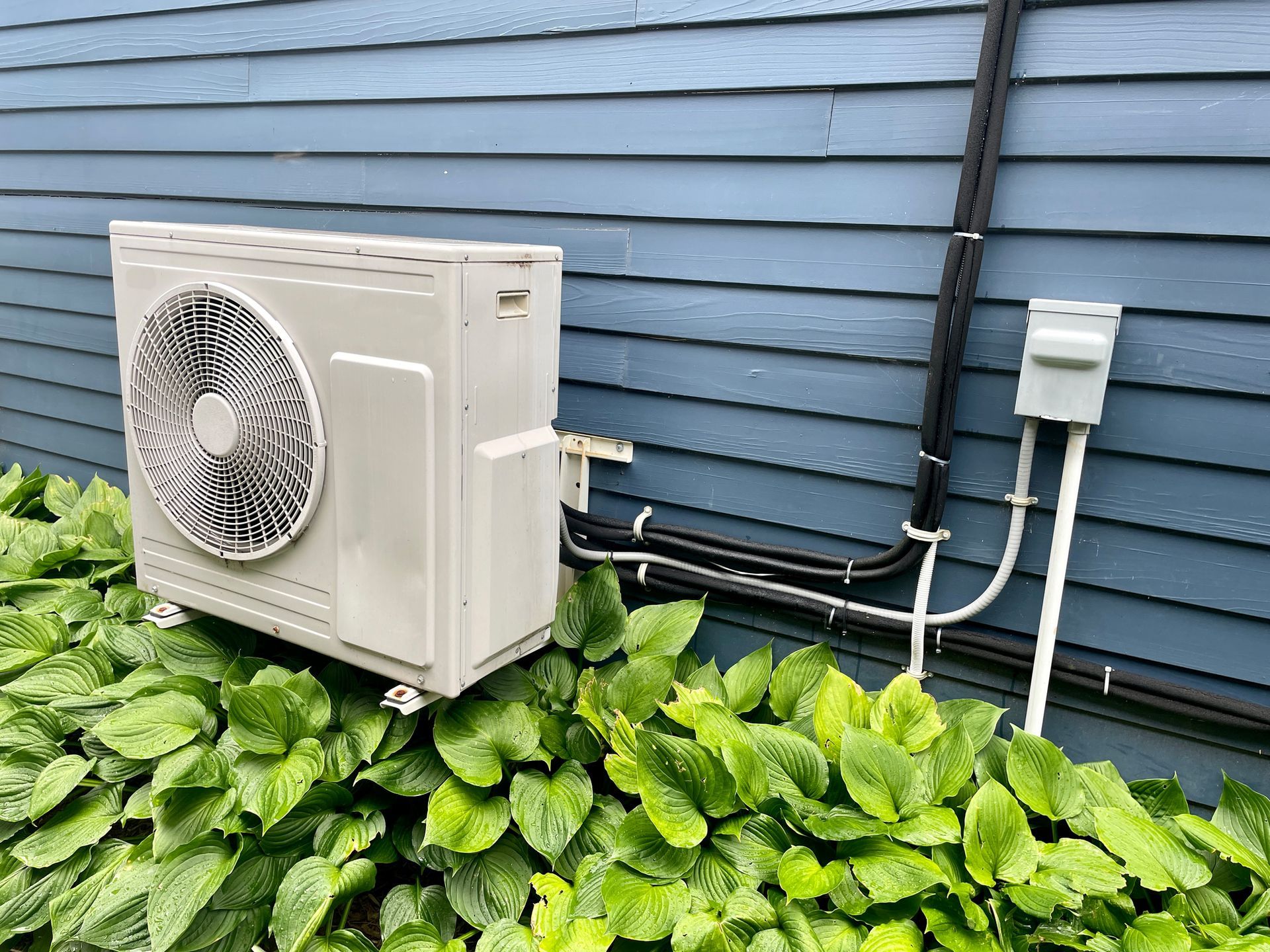
A ductless mini-split system is a type of heat pump that provides both heating and cooling without ductwork. It consists of an outdoor unit and one or more indoor air-handling units mounted on walls or ceilings. Instead of generating heat like a gas furnace, a mini-split transfers heat from the outside air into your home—even in cold weather. Modern systems are highly efficient and can continue operating effectively in temperatures well below freezing.
Benefits of Ductless Mini-Splits in Washington
Energy Efficiency
Mini-splits are extremely energy efficient because they move heat rather than create it. In Washington’s relatively mild winters, they can deliver impressive performance while consuming less energy.
Lower Utility Bills
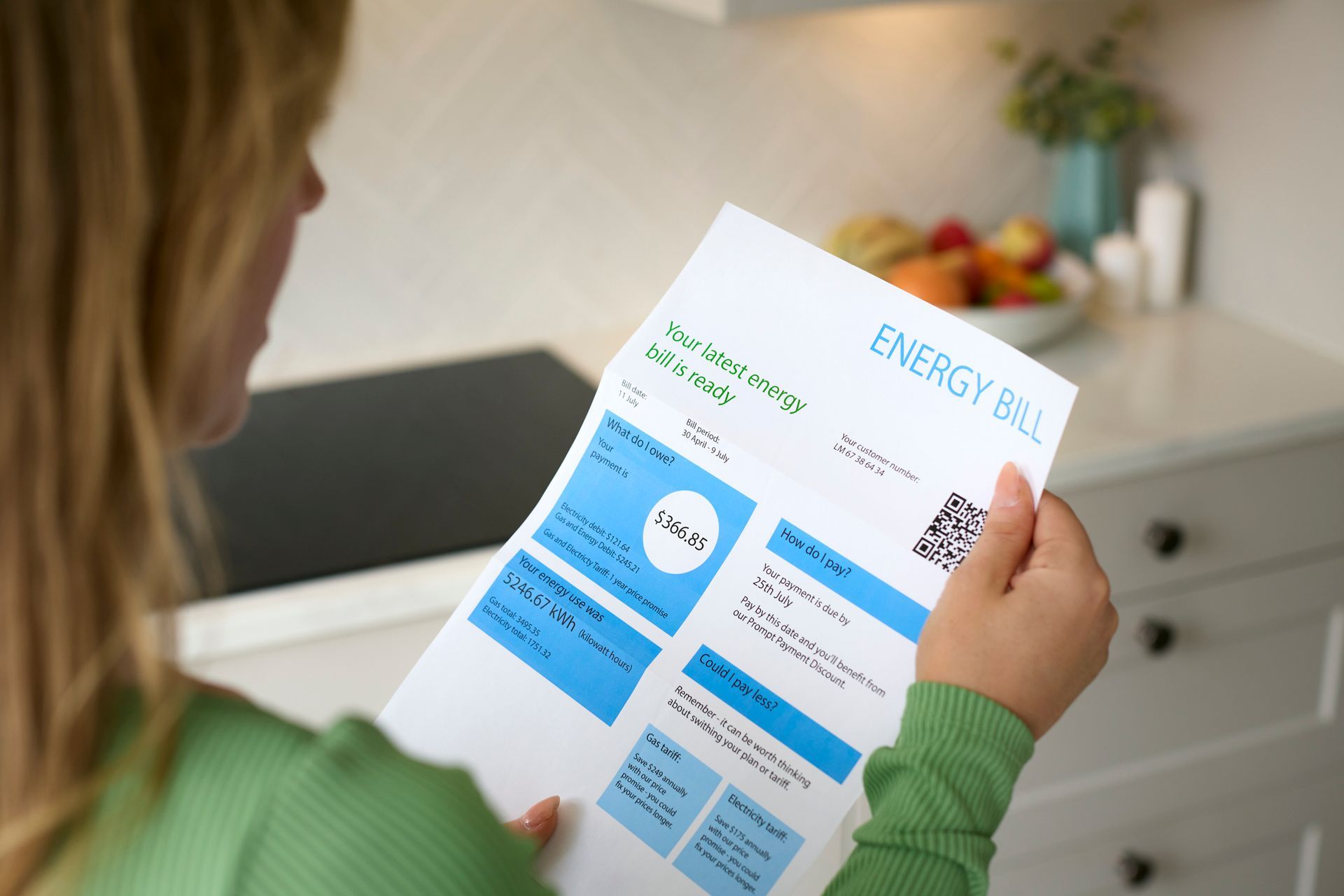
Electric heat pumps can significantly reduce heating costs, especially as Washington continues transitioning toward cleaner electricity sources. For many homeowners comparing a ductless mini-split vs. a gas furnace in Washington, monthly energy savings are a deciding factor.
Zoned Comfort
Each indoor unit can be controlled independently. This allows you to heat only the rooms you’re using, improving comfort and reducing wasted energy.
No Ductwork Required
Older Seattle homes often lack duct systems. Installing a ductless system avoids the expense and disruption of adding ductwork.
Heating and Cooling in One System
Unlike a traditional gas furnace, a ductless mini-split also provides air conditioning during the summer.
What Is a Gas Furnace?
A gas furnace burns natural gas to create heat, which is then distributed through ductwork throughout the home. Gas furnaces are known for their ability to produce strong, consistent heat quickly. Ready Energy Solutions installs the latest models, along with providing expert service for any brand.
Benefits of Gas Furnaces
Powerful Heat Output
Gas furnaces can generate high levels of heat, making them ideal for very cold climates or homes that require rapid temperature increases.
Familiar Technology
Many Washington homes already have gas furnaces installed, making replacement straightforward if ductwork is in good condition.
Lower Upfront Cost (In Some Cases)
If your home already has gas service and ductwork, replacing an existing furnace may have a lower initial cost than installing a new ductless system.
Comparing a Ductless Mini-Split vs. a Gas Furnace in Washington
When evaluating a ductless mini-split vs. a gas furnace in Washington, several key factors should be considered:
Efficiency and Operating Costs
In the Seattle area, where winters are moderate, ductless mini-splits often outperform gas furnaces in efficiency. Because they transfer heat instead of burning fuel, they can achieve significantly higher efficiency ratings. Gas prices fluctuate, and while natural gas has traditionally been affordable, rising costs and environmental considerations are prompting many Washington homeowners to explore electric alternatives.
Environmental Impact
Washington State has ambitious climate goals and increasingly clean electricity. Ductless heat pumps produce no on-site emissions, making them a more environmentally friendly choice compared to gas furnaces that burn fossil fuels.
Installation Considerations
If your home already has well-sealed, properly designed ductwork, a gas furnace replacement may be simple. However, homes without ducts—or with leaky, outdated duct systems—may benefit more from ductless mini-splits.
Comfort and Air Quality
Ductless systems offer customizable comfort through zoning and avoid duct-related air leakage. On the other hand, furnaces can provide a traditional “blast” of warm air that some homeowners prefer.
Which Heating System Is Best for Your Washington Home?
The answer depends on your home’s layout, existing infrastructure, budget, and long-term energy goals. For many Seattle-area homeowners, ductless mini-splits offer superior efficiency, flexible comfort control, and lower environmental impact—making them an excellent choice for the Pacific Northwest climate. However, gas furnaces may still be appropriate for larger homes with existing ductwork or homeowners who prioritize high heat output.
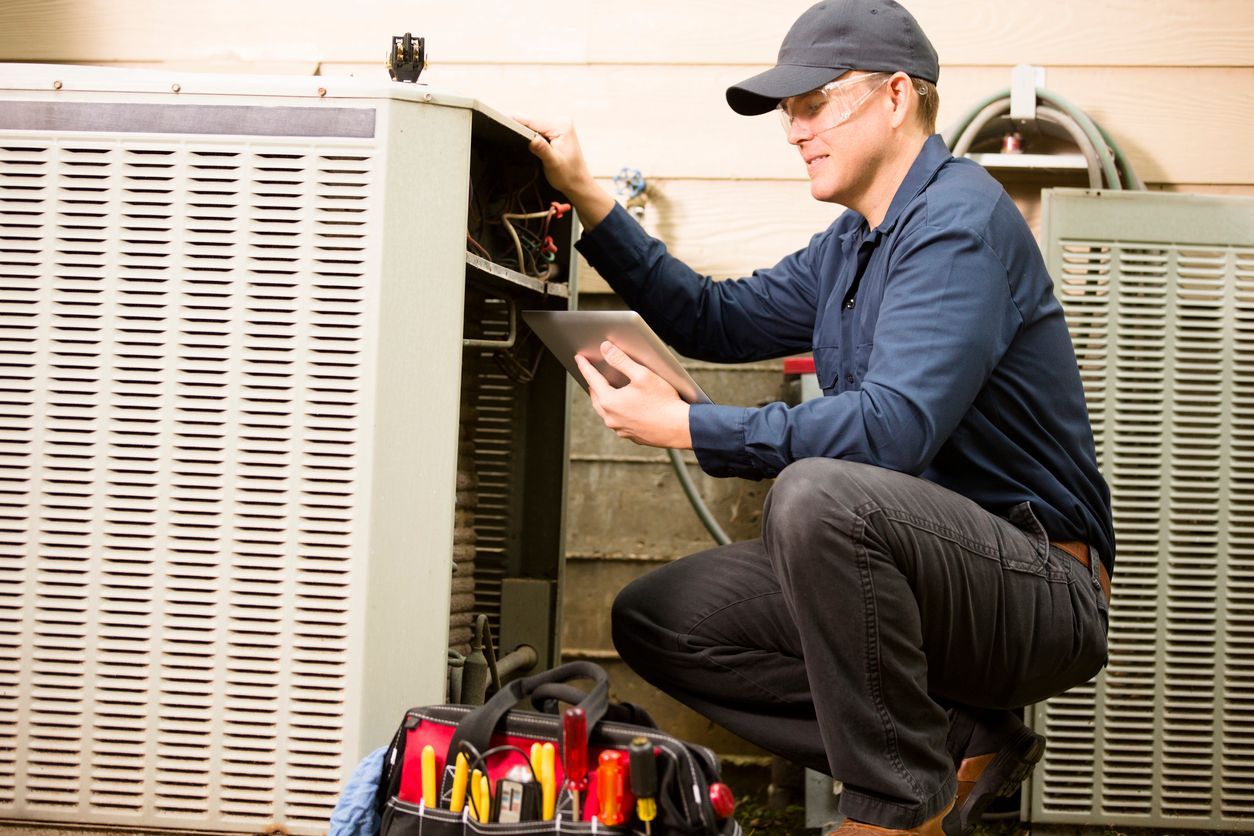
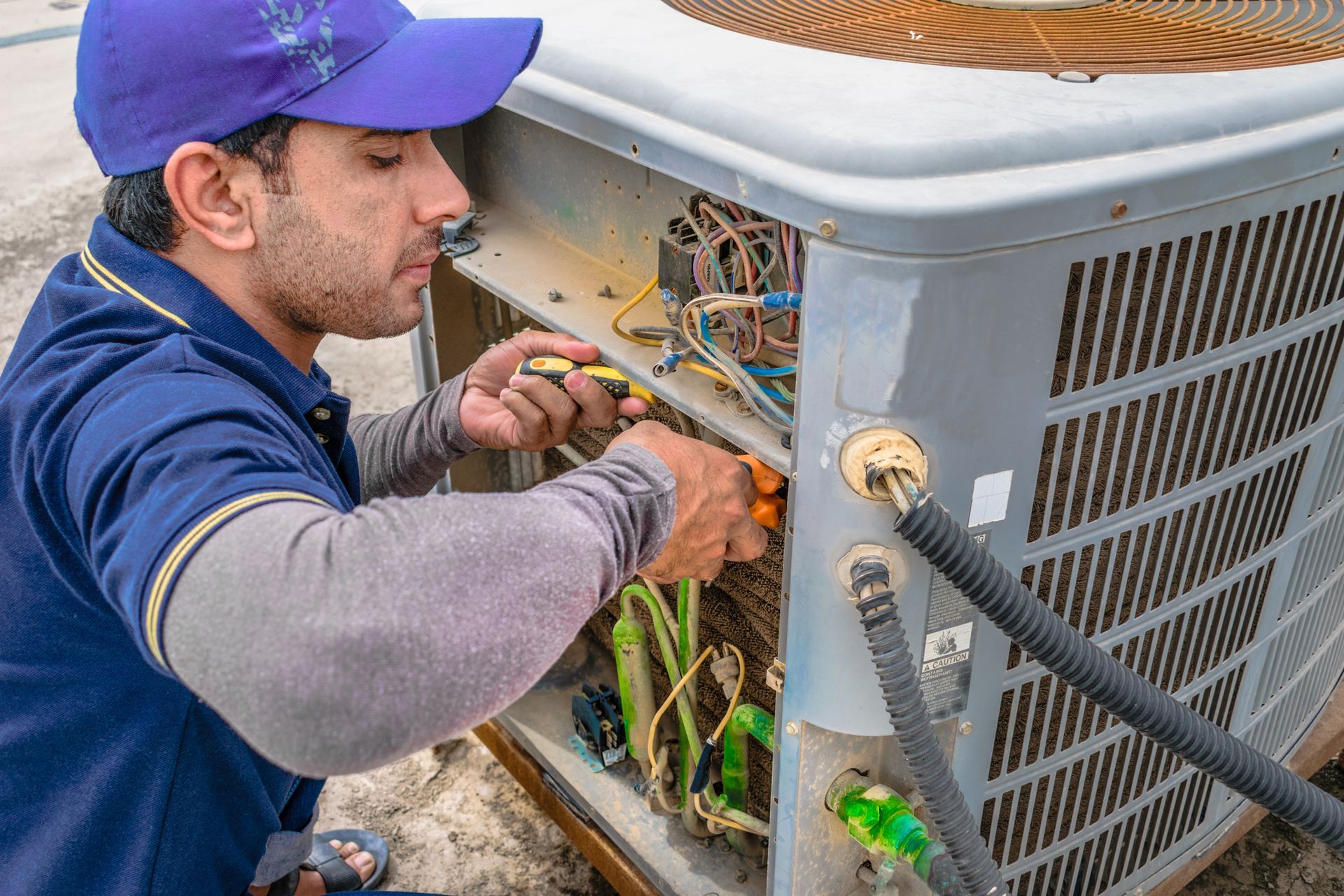
If you’re weighing a ductless mini-split vs. a gas furnace in Washington, the best step is a professional home assessment. Every home is different, and factors like insulation levels, square footage, and energy usage patterns all matter. At Ready Energy Solutions, we specialize in helping homeowners throughout Seattle and the surrounding areas find the right
heating solution for their needs. Whether you’re considering upgrading to a
ductless mini-split or replacing an aging
gas furnace, our team can guide you toward a system that maximizes comfort, efficiency, and long-term value. Call our friendly team today at
(206) 750-7020to schedule a consultation and discover which heating system is best for your Washington home.